
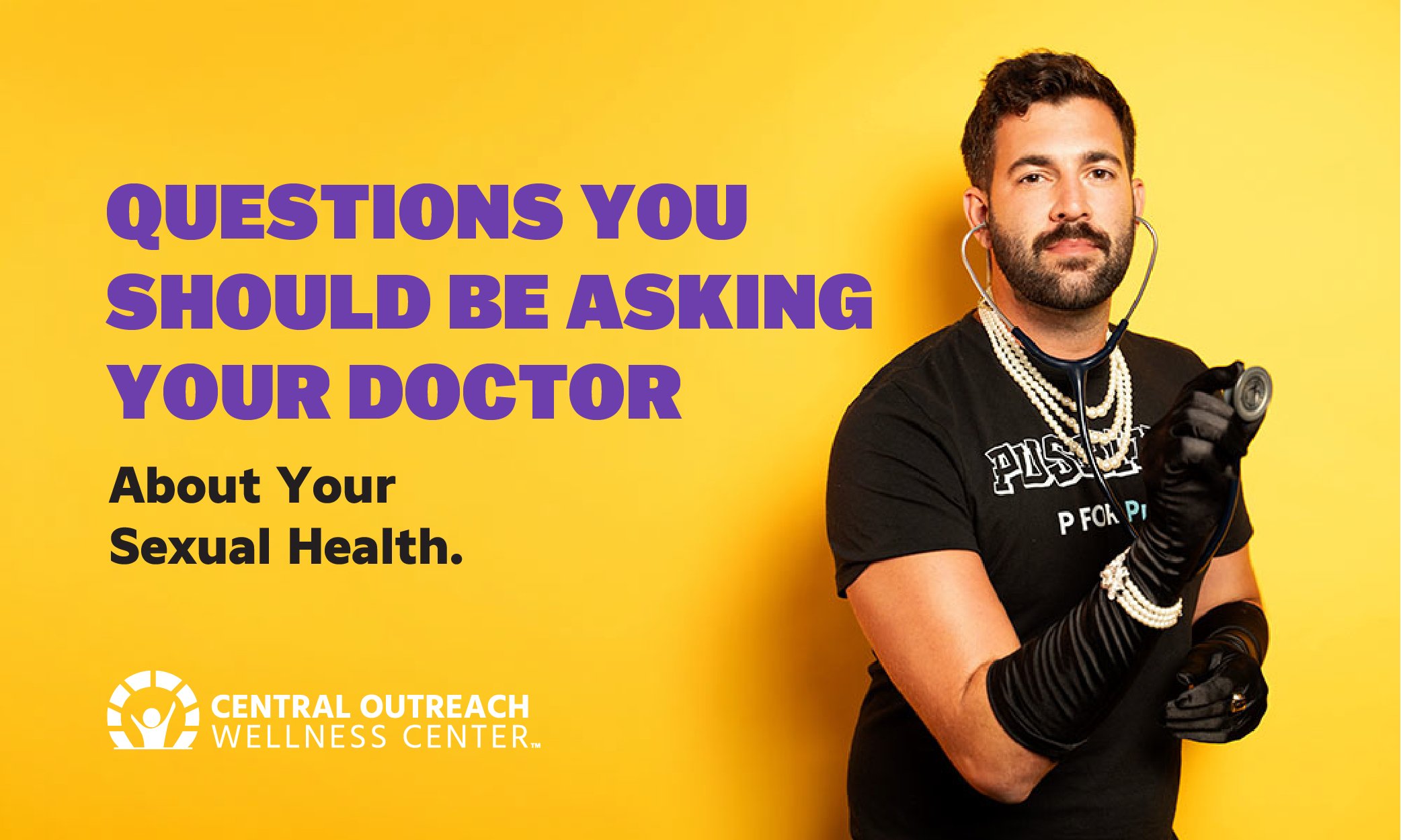
Talking about your sexual health with a healthcare provider may feel awkward, but it doesn't have to be. Your provider (especially ours) has heard it all before, and their job is to help you stay healthy, not judge your choices.
Asking questions is one of the best things you can do for your health. Whether you're sexually active, thinking about becoming sexually active, or simply want to learn more about your body, these conversations can help you make informed decisions.
Here are some important questions to ask at your next appointment.
1. How Often Should I Be Tested for STIs?
The answer depends on your sexual activity, number of partners, and risk factors. Many sexually transmitted infections don't cause symptoms, so routine testing is one of the best ways to protect yourself and your partners.
Ask your provider:
- Which STI tests do I need?
- Should I be tested every 3, 6, or 12 months?
- Do I need oral, rectal, and urine testing?
Remember: If you use multiple 'holes,' all of those sites need to be tested.
2. Is PrEP Right for Me?
PrEP (pre-exposure prophylaxis) is one of the most effective ways to prevent HIV. If you're HIV-negative and at increased risk, PrEP could be an excellent option.
Ask your provider:
- Am I a good candidate for PrEP?
- Should I take the daily pill or long-acting injectable PrEP?
- What are the side effects?
- Will my insurance cover it?
3. Should I Be Taking DoxyPEP?
DoxyPEP is an antibiotic taken after sex that can help prevent certain bacterial STIs, including syphilis and chlamydia, in some individuals.
Ask:
- Am I eligible for DoxyPEP?
- How and when should I take it?
- Is it a good addition to my current prevention plan?
4. Are My Vaccines Up to Date?
Vaccines are an important part of sexual health. Staying vaccinated can prevent infections before they happen.
Talk to your provider about:
- HPV vaccine
- Hepatitis A vaccine
- Hepatitis B vaccine
- Mpox vaccination, if appropriate
5. Is Everything I'm Experiencing Normal?
Pain during sex, erectile concerns, vaginal dryness, low libido, unusual discharge, itching, or bleeding aren't things you have to 'just live with.' Bring up anything that feels different.
There are treatments available, and many concerns are more common than people realize.
6. Should I Be Screened for Certain Cancers?
Depending on your age, anatomy, and medical history, your provider may recommend screenings such as:
- Cervical cancer screening (Pap tests)
- Anal Pap testing
- High-resolution anoscopy (HRA)
- Colorectal cancer screening
Early detection saves lives.
7. What Birth Control Option Is Best for Me?
If pregnancy prevention is part of your goals, your provider can discuss options that fit your lifestyle and health needs. Even if you're using birth control, remember that it does not protect against STIs.
8. Could My Mental Health Be Affecting My Sex Life?
Stress, anxiety, depression, trauma, medications, and relationship challenges can all impact sexual wellness. Sexual health and mental health go hand in hand.
It's okay to ask:
- Could my medication be affecting my libido?
- Is stress causing these symptoms?
- What resources are available to help?
9. Are My Products Safe?
Using the right products can improve comfort and reduce your risk of injury or infection. Ask your provider about:
- The best condoms for your needs
- Lubricants that are body-safe
- Safe sex toy materials
- Products that may cause irritation or allergic reactions
10. What Can I Do to Protect My Sexual Health?
Your provider can help you build a prevention plan that's right for you. Sexual health isn't one-size-fits-all, and your care shouldn't be either.
This may include:
- Routine STI testing
- HIV testing
- PrEP or PEP
- DoxyPEP
- Vaccinations
- Condoms and lubricant
- Regular preventive care
Don't Be Afraid to Ask
There are no 'embarrassing' questions when it comes to your health. Honest conversations with your provider lead to better care, earlier diagnosis, and more personalized treatment.
We're committed to providing compassionate, LGBTQ+ affirming, and judgment-free healthcare. Whether you have questions about HIV prevention, STI testing, birth control, gender-affirming care, or sexual wellness, our team is here to help.
Visit one of our six clinic locations in Pennsylvania and Ohio to take the next step in your sexual health.
Sources
- Centers for Disease Control and Prevention (CDC). Sexually Transmitted Infections Treatment Guidelines. https://www.cdc.gov/std/treatment-guidelines
- Centers for Disease Control and Prevention (CDC). HIV Nexus: PrEP. https://www.cdc.gov/hivnexus/prep
- Centers for Disease Control and Prevention (CDC). Clinical Guidelines on the Use of Doxycycline Post-Exposure Prophylaxis for Bacterial STI Prevention. https://www.cdc.gov/std/doxypep
- U.S. Preventive Services Task Force (USPSTF). Screening Recommendations. https://www.uspreventiveservicestaskforce.org
- American College of Obstetricians and Gynecologists (ACOG). Sexual Health. https://www.acog.org
- American Sexual Health Association (ASHA). Sexual Health Resources. https://www.ashasexualhealth.org
