
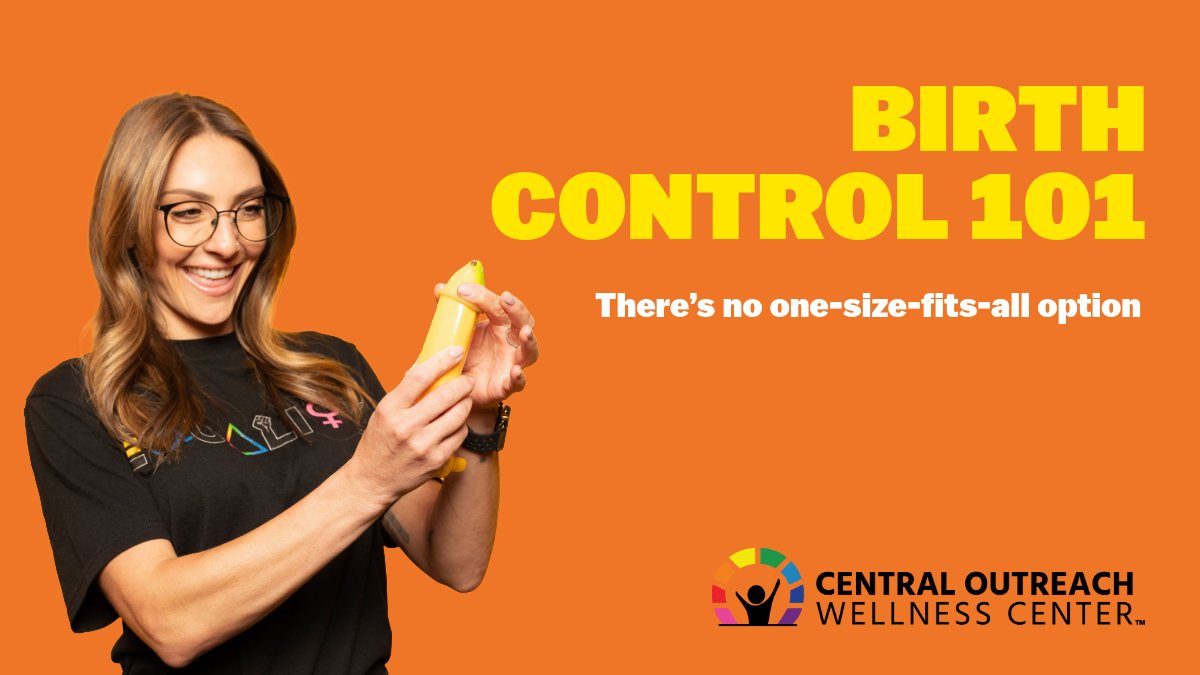
When it comes to birth control, there’s no one-size-fits-all option. Whether you want something you take every day, something you don't have to think about for years, or a hormone-free option, there are choices to fit different bodies, lifestyles, and reproductive goals.
What Are Your Options?
The Pill: Taken daily and available in different hormonal formulations.
The Patch: Worn on the skin and typically changed once a week.
The Ring: A flexible ring placed in the vagina that releases hormones and is changed according to the product's schedule.
The Shot: A hormonal injection given about every three months.
The Implant: A small rod placed under the skin of the arm that provides long-lasting pregnancy prevention.
IUDs: Small devices placed in the uterus. Hormonal and non-hormonal options are available and can provide protection for several years.
Condoms: External and internal condoms help prevent pregnancy and can also reduce the risk of HIV and many STIs when used correctly.
Permanent Contraception: Options such as vasectomy and tubal ligation are intended to permanently prevent pregnancy.
Don't Forget About Emergency Contraception
Sometimes things don't go according to plan. Emergency contraception can help prevent pregnancy after unprotected sex or contraceptive failure. Options include emergency contraceptive pills and the copper IUD.
Birth Control ≠ STI Protection
Most birth control methods prevent pregnancy but do not prevent STIs. Condoms can reduce the risk of HIV and many STIs, while PrEP can help prevent HIV.
Your sexual health plan may include more than one prevention method, and that's okay!
So, What's Right for You?
'It is important to understand that hormones used for gender affirming care do not reliably prevent pregnancy. There are several options for reliable contraception depending on your unique needs. If you are sexually active and are not wanting to become pregnant, you should discuss these with your medical provider to determine which option may be best for you, ' said Shawna Giles, CRNP, FNP-C
The best contraceptive method is one that fits your body, your lifestyle, and your goals. Talk with a healthcare provider about your options, including effectiveness, side effects, and what works best for you. Your body. Your choices. Your sexual health.
