
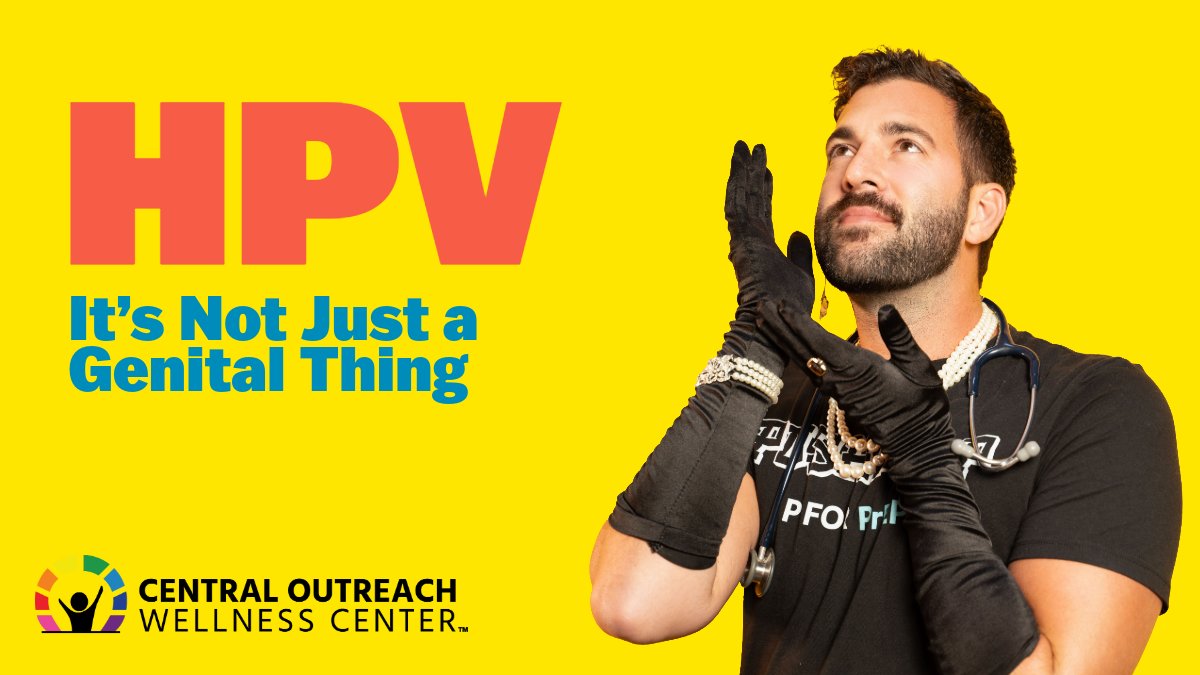
When you hear “HPV,” you might immediately think about genital warts or cervical cancer, but HPV can infect your mouth, throat, and anus as well.
HPV is spread through intimate skin-to-skin sexual contact, including vaginal, anal, and oral sex, so that HPV can be found in some unexpected places.
HPV Is Extremely Common
HPV is one of the most common sexually transmitted infections in the United States. It is estimated that 80-90% of people are infected with HPV at some point in their life. Most people who get HPV never know they have it and simply clear it on their own within a couple of years.
In less common cases, the HPV infection can persist. These persistent infections can lead to cancers of the cervix, vagina, vulva, penis, anus, and oropharynx (back of the throat).
Get All Your Holes Tested
Historically, HPV was most strongly associated with cervical cancer. Pap smears, which screen for abnormal cell changes in the cervix, have been a standard part of gynecology for more than 50 years. In recent years, a similar method is being used to screen for abnormal cell changes and HPV in the anus. New guidelines recommend an anal Pap screening in men who have sex with men (MSM) and transgender women starting at 45 years old (35 years old if HIV+)
You should talk to your healthcare provider about testing based on the kinds of sex you have, not just the body parts you think are “at risk.”
There isn't currently an approved routine HPV test for the mouth or throat. HPV-associated throat cancer is 3x more common in AMAB (assigned male at birth) persons and typically occurs in the 50s-60s. This population was sexually active before an HPV vaccine was available and so likely has had HPV in their throat for decades. The initial symptoms they may notice could be a throat lump, hoarseness, and/or painful swallowing.
The most important thing you can do is get vaccinated against HPV.
The Good News: There Is a Vaccine
The HPV vaccine helps prevent the types of HPV that most commonly cause cancer. It is highly effective. When the HPV vaccine was introduced 20 years ago, the focus was to get AFAB (assigned female at birth) adolescents vaccinated before becoming sexually active. Since then, it has been found that the vaccination reduces the risk of cervical cancer by 85- 95% in those vaccinated early.
The CDC recommends vaccination for everyone through age 26 who hasn't been previously vaccinated, and it is available for adults ages 27–45 who are at risk or desire it.
The same strains of HPV that cause cervical cancer can cause throat and anal cancer, so getting the vaccine can protect all your various important parts.
The vaccine prevents new HPV infections; it doesn't treat an HPV infection you already have. That's why vaccination earlier in life provides the greatest benefit.
Your Sexual Health Is More Than One Swab
Here's the bigger message: sexual health isn't one-size-fits-all.
Tell your healthcare provider what kinds of sex you're having, including oral and anal sex, so they can help determine what testing, vaccines, prevention, or screenings make sense for you.
Your throat matters. Your butt matters. Your genitals matter. All your holes matter.
And taking care of them isn't embarrassing; it's healthcare.
Know your body. Know your options. Get tested where appropriate. Get vaccinated. And don't be afraid to tell your provider what you're actually doing in bed.
That's how we make sexual healthcare work for you.
