
Anal Pap Smear Testing and HRA Screening Explained
Key Takeaways
- Anal pap smears and HRA screenings help detect abnormal cells early. These preventative screenings may identify cellular changes associated with HPV and anal cancer before more serious complications develop.
- Some individuals may have a higher risk for anal cancer. People living with HIV, individuals with HPV, and those engaging in receptive anal sex may benefit from routine screening recommendations.
- Early detection significantly improves treatment outcomes. Detecting abnormal cells early may allow providers to monitor or treat changes before cancer develops or progresses.
- HPV-related health risks are closely connected to preventative sexual healthcare. Patients receiving STI testing services(opens in a new tab) or HIV treatment support(opens in a new tab) may also discuss anal cancer screenings with providers.
- HRA and anal pap smear procedures are generally quick outpatient screenings. These procedures are performed in supportive healthcare environments designed to prioritize patient comfort and confidentiality.
- Central Outreach Wellness Center provides HRA and anal pap smear screenings in Pennsylvania and Ohio. Our providers offer preventative screenings, HPV-related healthcare support, and culturally humble care services.
Request an Appointment(opens in a new tab)
What Is an Anal Pap Smear?
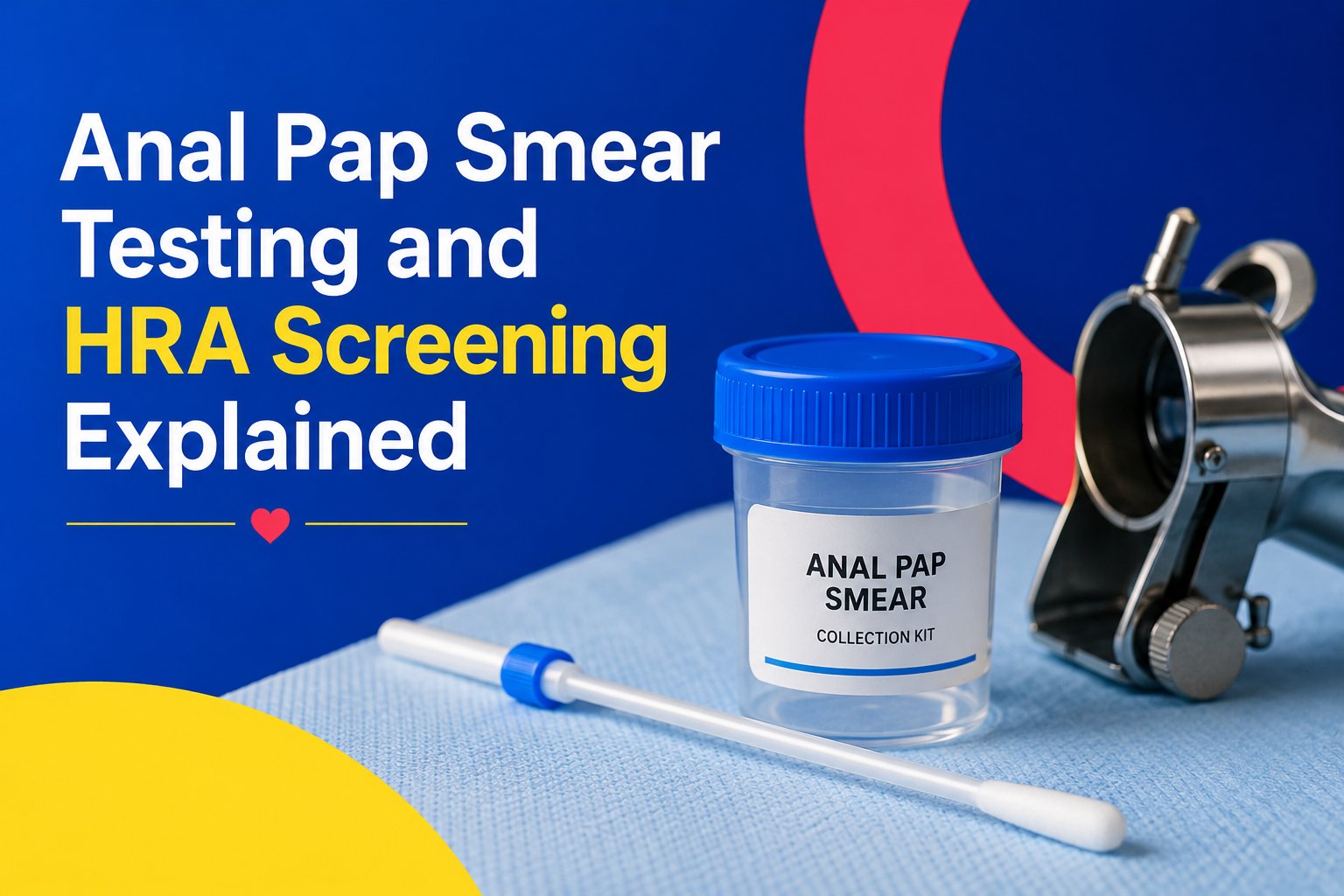
An anal pap smear is a preventative screening test used to detect abnormal cells within the anal canal.
During the procedure, a healthcare provider collects a small sample of cells using a soft swab. These cells are then evaluated for abnormalities that may be associated with human papillomavirus (HPV) or precancerous cellular changes.
Anal pap smear testing works similarly to cervical pap smear screenings used in gynecologic care.
Individuals seeking HRA and anal pap smear screenings(opens in a new tab) often want to better understand how preventative screening may help reduce the risk of anal cancer and HPV-related complications.
What Is High-Resolution Anoscopy (HRA)?
High-Resolution Anoscopy (HRA) is a specialized screening procedure used to closely examine the anal canal and surrounding tissue for abnormal cellular changes.
During HRA, a provider uses a magnified viewing instrument called an anoscope to identify suspicious or abnormal tissue areas that may require monitoring or biopsy.
HRA is often recommended when abnormal cells are detected during an anal pap smear or when individuals have increased risk factors for anal cancer.
According to the National Cancer Institute(opens in a new tab), early detection of abnormal anal cells may help reduce the risk of anal cancer progression.
Why Are Anal Pap Smears and HRA Screenings Important?
Preventative screening may help detect abnormal cellular changes before cancer develops.
Anal cancer is relatively uncommon, but certain individuals may face increased risk due to HPV infection, HIV status, immune suppression, or other health factors.
Early detection is important because treatment outcomes are often significantly better when abnormalities are identified earlier.
Healthcare providers may recommend routine screenings for individuals with increased risk factors to help monitor cellular changes over time.
Patients receiving HIV treatment support(opens in a new tab) or routine STI testing(opens in a new tab) may also discuss anal cancer screening recommendations during preventative healthcare visits.
Who May Benefit From Anal Pap Smear Testing?
Healthcare providers may recommend anal pap smear screenings for individuals with increased risk factors for anal cancer or HPV-related cellular abnormalities.
Individuals who may benefit from screening include:
people living with HIV
individuals with HPV infections
men who have sex with men
individuals engaging in receptive anal sex
patients with weakened immune systems
individuals with previous abnormal pap smear results
Providers evaluate each patient individually when determining appropriate preventative screening recommendations.
Understanding HPV and Anal Cancer Risk
Human papillomavirus (HPV) is one of the primary risk factors associated with anal cancer.
HPV is a common viral infection that may affect the genital and anal regions. While many HPV infections resolve naturally, some strains may contribute to abnormal cellular changes over time.
Persistent HPV infection may increase the likelihood of developing precancerous lesions or anal cancer in certain individuals.
Preventative sexual healthcare services such as routine STI testing(opens in a new tab), HPV education, and preventative screenings may help support long-term wellness and early detection.
What Happens During an Anal Pap Smear?
An anal pap smear is generally a short outpatient procedure that may take only a few minutes to complete.
During the procedure, a healthcare provider gently inserts a small swab into the anal canal to collect cell samples for laboratory evaluation.
Most individuals experience only mild discomfort or pressure during the screening.
After testing, providers review laboratory results and discuss whether additional follow-up care or HRA screening may be appropriate.
What Happens During an HRA Procedure?
High-Resolution Anoscopy involves a more detailed examination of the anal canal and surrounding tissue.
During the procedure, providers use magnification and specialized solutions to identify abnormal tissue areas.
If abnormal cells are identified, providers may recommend:
ongoing monitoring
additional biopsies
follow-up screenings
treatment recommendations
Most HRA procedures are completed in outpatient settings designed to support patient comfort and privacy.
Preventative Healthcare and Sexual Wellness
Anal cancer screenings are often part of broader preventative sexual healthcare planning.
Individuals may also benefit from:
routine STI testing
HIV testing and prevention services
HPV education
preventative healthcare evaluations
infectious disease screenings
Patients often combine preventative screenings with PrEP and HIV prevention education(opens in a new tab) as part of long-term wellness planning.
Why Trust Central Outreach Wellness Center for HRA and Anal Pap Smear Testing?
Central Outreach Wellness Center provides preventative anal cancer screenings, HRA procedures, STI testing, HIV-related healthcare support, and culturally humble wellness services throughout Pennsylvania and Ohio.
Our providers work to create respectful, confidential, and supportive healthcare environments where patients feel comfortable discussing preventative healthcare concerns and sexual wellness needs.
We offer evidence-based screening services designed to support early detection, ongoing monitoring, and long-term wellness planning.
Patients may also access related healthcare services including HIV prevention services(opens in a new tab), HIV treatment support(opens in a new tab), and confidential STI testing(opens in a new tab).
By combining preventative healthcare, patient education, supportive wellness services, and inclusive care environments, Central Outreach helps individuals access important screening services with dignity and respect.
Schedule Preventative Screening Services Today
Preventative anal cancer screenings may help identify abnormal cellular changes early and support long-term wellness outcomes.
Understanding available screening options may help individuals feel more confident discussing preventative healthcare with providers.
Central Outreach Wellness Center provides anal pap smear testing, HRA screenings, preventative healthcare services, and supportive wellness care throughout Pennsylvania and Ohio. Schedule an appointment today(opens in a new tab) to learn more about anal cancer screening and preventative healthcare services.
Request an Appointment(opens in a new tab)
Frequently Asked Questions
What is an anal pap smear?
An anal pap smear is a preventative screening test that collects anal canal cells to evaluate for abnormal cellular changes associated with HPV and anal cancer risk.
What is High-Resolution Anoscopy (HRA)?
HRA is a specialized procedure that uses magnification to closely examine anal tissue for abnormal cells or lesions.
Who may need anal pap smear screening?
People living with HIV, individuals with HPV, and those with increased anal cancer risk factors may benefit from routine screening recommendations.
Does an anal pap smear hurt?
Most individuals experience only mild discomfort or pressure during the brief screening procedure.
Why are HPV screenings important?
HPV screenings may help identify abnormal cellular changes early before cancer develops or progresses.
