
Everything You Need to Know About STI Testing
Key Takeaways
- STI testing helps detect sexually transmitted infections early. Many sexually transmitted infections (STIs) may not cause noticeable symptoms, making regular testing important for sexual health and early treatment.
- STI testing may include multiple screenings. Testing may involve blood tests, urine samples, swabs, or physical examinations depending on symptoms, exposure history, and risk factors.
- Routine STI testing supports long-term health. Early diagnosis and treatment can help reduce complications, lower transmission risk, and improve overall wellness.
- HIV prevention and STI testing are closely connected. Many individuals receiving HIV prevention services(opens in a new tab) also undergo regular STI screenings as part of preventative healthcare.
- Inclusive sexual healthcare is important for LGBTQ+ communities. Individuals receiving gender-affirming healthcare(opens in a new tab) and LGBTQ-focused care may benefit from personalized sexual health screenings and preventative services.
- Central Outreach Wellness Center offers confidential STI testing in Pennsylvania and Ohio. Our team provides judgment-free sexual healthcare, STI screenings, HIV testing, and preventative wellness services.
Request an Appointment(opens in a new tab)
What Is STI Testing?
STI testing is used to identify sexually transmitted infections that may spread through oral, vaginal, anal, or other intimate sexual contact.
Many sexually transmitted infections may not produce obvious symptoms during early stages, which is why routine screening is an important part of preventative healthcare.
Patients searching for confidential STI testing services(opens in a new tab) often want to understand what testing includes, when to get screened, and how testing supports long-term sexual wellness.
Routine STI testing is frequently recommended alongside HIV prevention strategies like PrEP(opens in a new tab) to help reduce transmission risks and support overall sexual health.
According to the Centers for Disease Control and Prevention (CDC)(opens in a new tab), millions of new sexually transmitted infections occur in the United States every year.
Why STI Testing Is Important
Regular STI testing helps identify infections early before complications develop.
Some sexually transmitted infections can lead to serious long-term health issues if left untreated, including infertility, chronic pain, liver disease, and increased HIV risk.
Testing also helps reduce transmission by allowing individuals to begin treatment sooner and inform partners when necessary.
Many individuals receiving HIV treatment services(opens in a new tab) or preventative sexual healthcare also participate in routine STI screenings to support long-term wellness.
Common Sexually Transmitted Infections
STI testing may screen for multiple infections depending on symptoms, sexual history, and provider recommendations.
Chlamydia
Chlamydia is a common bacterial infection that may not cause symptoms but can lead to reproductive complications if untreated. The infection can affect the genitals, rectum, and throat depending on exposure. Some individuals may experience burning during urination, unusual discharge, pelvic pain, or discomfort during intercourse. Routine STI testing is important because untreated chlamydia may increase the risk of infertility and other long-term reproductive health complications. Chlamydia is typically treated with antibiotics, and early treatment helps reduce transmission risk.
Gonorrhea
Gonorrhea can affect the genitals, rectum, and throat and may cause discharge, pain, or no symptoms at all. The infection spreads through sexual contact and may lead to complications if not treated promptly. Some individuals experience painful urination, pelvic discomfort, rectal irritation, or sore throat symptoms depending on the affected area. Because gonorrhea may remain asymptomatic, regular STI screenings are important for early diagnosis and treatment. Gonorrhea is commonly treated with antibiotics, and partners may also require testing and treatment.
Syphilis
Syphilis develops in stages and may initially present as painless sores or skin rashes. Early symptoms are sometimes mild or overlooked, allowing the infection to progress without treatment. If left untreated, syphilis may eventually affect the nervous system, cardiovascular system, and other organs. Blood testing is commonly used for diagnosis, and early treatment significantly improves outcomes. Routine sexual healthcare and STI screenings help detect syphilis before serious complications develop.
Herpes (HSV)
Herpes may cause painful sores or blisters around the mouth or genitals, although some individuals remain asymptomatic. The virus may alternate between active outbreaks and periods without visible symptoms. Some patients experience tingling, itching, burning sensations, or flu-like symptoms before outbreaks occur. Although there is currently no cure for herpes, antiviral medications may help reduce outbreaks and lower transmission risk. Regular sexual health discussions and testing can help individuals better manage symptoms and prevention strategies.
Human Papillomavirus (HPV)
HPV is a common viral infection associated with genital warts and certain cancers. Many HPV infections resolve naturally without causing serious health problems, although some strains may lead to cervical, anal, throat, or genital cancers over time. Vaccination and routine screenings play an important role in reducing HPV-related complications. Individuals concerned about HPV-related risks may also benefit from preventative screenings such as anal pap smears and HRA screenings. Preventative healthcare and regular sexual wellness evaluations support early detection and long-term health monitoring.
Individuals concerned about HPV-related risks may also benefit from preventative screenings such as anal pap smears and HRA screenings(opens in a new tab).
HIV
HIV attacks the immune system and may progress if untreated. Early diagnosis and treatment significantly improve long-term outcomes. HIV may initially cause flu-like symptoms, although many individuals remain asymptomatic during early stages of infection. Modern HIV treatment medications can help suppress the virus, protect immune function, and reduce transmission risk. Routine HIV testing is an important part of preventative sexual healthcare, especially for individuals with increased exposure risk. Early treatment and ongoing medical care allow many individuals living with HIV to maintain long, healthy lives.
Patients seeking HIV-related sexual healthcare often explore both HIV treatment education(opens in a new tab) and preventative HIV services.
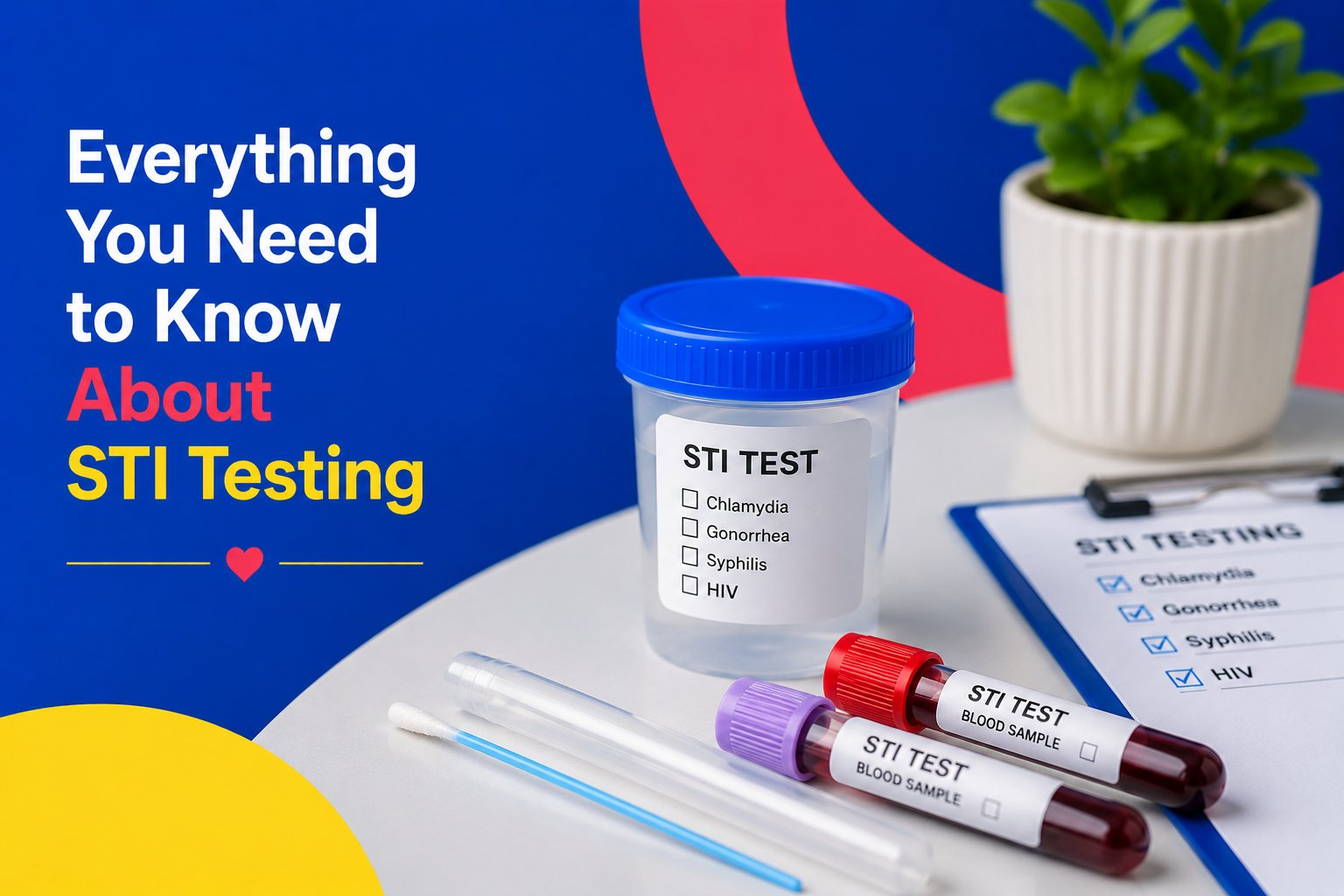
What Happens During an STI Test?
A STI test may include several types of screenings depending on the infection being evaluated.
Testing may involve:
blood tests
urine samples
oral or genital swabs
physical examinations
Some tests provide rapid results, while others may require laboratory processing.
Providers may also discuss sexual history, HIV prevention strategies, symptoms, and long-term wellness planning during appointments.
When Should You Get STI Testing?
Testing frequency varies depending on sexual activity, number of partners, symptoms, and personal risk factors.
Many healthcare organizations recommend routine sexual health screenings for sexually active individuals, especially those with multiple partners or increased exposure risks.
According to the World Health Organization (WHO)(opens in a new tab), routine STI testing plays an important role in reducing transmission and improving public health outcomes.
Individuals taking PrEP for HIV prevention(opens in a new tab) are often encouraged to complete regular STI testing as part of ongoing care.
Can You Have an STI Without Symptoms?
Yes. Many sexually transmitted infections may remain asymptomatic for weeks, months, or even years.
This means individuals may unknowingly transmit infections without realizing they are infected.
Asymptomatic infections are one of the main reasons providers recommend routine screenings even when symptoms are not present.
Patients receiving inclusive LGBTQ-focused healthcare services(opens in a new tab) may discuss personalized testing recommendations based on anatomy, sexual practices, and preventative health goals.
Understanding DoxyPEP and STI Prevention
DoxyPEP and DoxyPrEP are emerging preventative strategies used to reduce certain bacterial sexually transmitted infections.
Doxycycline is an antibiotic that may help reduce the risk of infections such as chlamydia, gonorrhea, and syphilis when used in specific preventative regimens.
Patients interested in preventative sexual healthcare often combine DoxyPEP discussions with broader HIV prevention education(opens in a new tab) and regular STI screenings.
How STI Testing Supports Long-Term Sexual Health
Routine sexual healthcare helps individuals make informed decisions about prevention, treatment, and wellness.
Preventative screenings support:
early infection detection
reduced transmission risk
faster treatment access
improved long-term health outcomes
Many patients receiving sexual healthcare services also benefit from mental health support services(opens in a new tab), LGBTQ wellness programs, and preventative HIV care.
Why Trust Central Outreach Wellness Center for STI Testing?
Central Outreach Wellness Center provides confidential STI testing, HIV prevention services, LGBTQ-focused healthcare, and inclusive preventative care throughout Pennsylvania and Ohio.
Our providers offer judgment-free sexual healthcare designed to support patients from diverse communities and backgrounds.
We provide comprehensive screenings, preventative healthcare education, HIV testing, and treatment guidance within welcoming clinical environments.
Patients may also access related healthcare services including HIV prevention programs(opens in a new tab), HIV treatment services(opens in a new tab), and gender-affirming healthcare(opens in a new tab).
By combining sexual healthcare, preventative medicine, education, and community-focused care, Central Outreach helps patients access evidence-based healthcare with dignity and respect.
Schedule STI Testing Today
Routine STI testing is an important part of preventative sexual healthcare and long-term wellness.
Understanding how testing works can help individuals make informed healthcare decisions and reduce the risk of untreated infections.
Central Outreach Wellness Center provides confidential STI testing, HIV prevention services, LGBTQ-focused healthcare, and sexual wellness support throughout Pennsylvania and Ohio. Schedule an appointment today to learn more about STI testing and preventative healthcare services.
Request an Appointment(opens in a new tab)
Frequently Asked Questions
How often should you get STI testing?
Testing frequency depends on sexual activity, exposure risk, symptoms, and healthcare provider recommendations.
Can you have an STI without symptoms?
Yes. Many sexually transmitted infections may not cause noticeable symptoms, which is why routine testing is important.
Does STI testing include HIV testing?
Some STI screenings may include HIV testing depending on the testing panel and provider recommendations.
What happens during an STI test?
Testing may involve blood work, urine samples, swabs, or physical examinations depending on the infections being evaluated.
Can PrEP prevent sexually transmitted infections?
PrEP helps prevent HIV but does not protect against most other sexually transmitted infections, making routine STI testing important.
