
HIV Treatment Explained: U=U and Long-Term Care
Key Takeaways
- Modern HIV treatment helps people live long, healthy lives. Antiretroviral therapy (ART) helps control HIV, protect the immune system, and improve long-term health outcomes.
- U=U means Undetectable = Untransmittable. Individuals living with HIV who maintain an undetectable viral load through consistent treatment cannot sexually transmit HIV to partners.
- Early diagnosis and treatment are important. Starting HIV treatment early may help reduce complications, support immune function, and improve long-term wellness.
- HIV care is closely connected to preventative healthcare. Patients may also benefit from HIV prevention services(opens in a new tab), routine STI testing(opens in a new tab), and supportive wellness planning.
- Long-term HIV care includes more than medication. Ongoing healthcare monitoring, mental health support, preventative screenings, and consistent follow-up care all contribute to long-term wellness.
- Central Outreach Wellness Center provides HIV treatment services in Pennsylvania and Ohio. Our team offers judgment-free HIV care, preventative healthcare services, and culturally humble support programs.
Request an Appointment(opens in a new tab)
What Is HIV Treatment?
HIV treatment involves medications called antiretroviral therapy (ART) that help control the virus and prevent it from multiplying within the body.
ART helps reduce the amount of HIV in the bloodstream, which is commonly referred to as viral load.
When HIV is effectively managed through consistent treatment, the immune system may remain healthier and better protected against serious complications.
Individuals seeking HIV treatment services(opens in a new tab) often want to understand how treatment works, what U=U means, and how long-term HIV care supports overall wellness.
According to the National Institutes of Health (NIH)(opens in a new tab), early and consistent HIV treatment can significantly improve long-term health outcomes.
How HIV Treatment Works
Antiretroviral medications work by preventing HIV from reproducing and damaging immune cells.
Reducing viral activity helps support immune system function and lowers the risk of HIV-related complications.
Modern HIV treatment plans may help:
reduce viral load
protect immune system function
lower the risk of HIV transmission
improve long-term wellness outcomes
support overall quality of life
Many individuals receiving HIV treatment continue working, maintaining relationships, and participating in everyday activities while managing their health through ongoing medical care.
What Does U=U Mean?
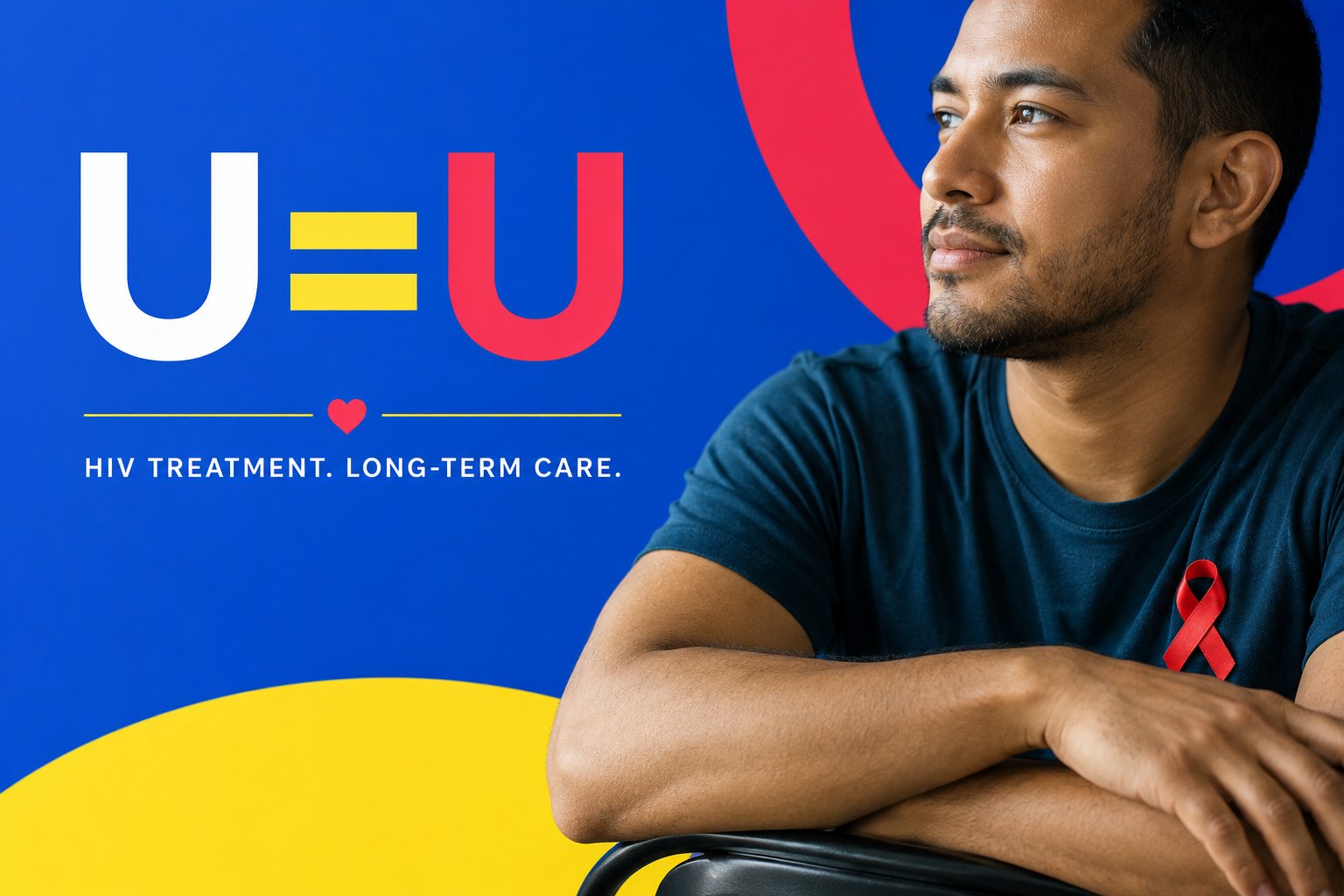
U=U stands for Undetectable = Untransmittable.
This means that individuals living with HIV who maintain an undetectable viral load through consistent antiretroviral treatment cannot sexually transmit HIV to partners.
An undetectable viral load occurs when HIV levels become so low that standard laboratory tests cannot detect the virus in the bloodstream.
Research supporting U=U has significantly changed public understanding of HIV treatment, transmission prevention, and long-term wellness for people living with HIV.
According to the Centers for Disease Control and Prevention (CDC)(opens in a new tab), individuals who maintain an undetectable viral load have effectively no risk of sexually transmitting HIV.
Why Early HIV Treatment Matters
Starting HIV treatment early may help reduce long-term complications and protect immune system function.
Without treatment, HIV can gradually weaken the immune system and increase the risk of infections and other health complications.
Early treatment may help:
maintain healthier immune function
reduce viral load more quickly
lower the risk of complications
improve long-term health outcomes
reduce transmission risk
Routine testing and early diagnosis remain important parts of HIV prevention and long-term wellness planning.
Individuals concerned about HIV exposure often begin by exploring PrEP and HIV prevention options(opens in a new tab) alongside routine screening services.
Understanding Viral Load and Immune Health
Viral load refers to the amount of HIV present in the bloodstream.
Healthcare providers monitor viral load through routine blood testing to evaluate how well treatment is working.
Another important measure is CD4 cell count, which reflects immune system strength.
Successful HIV treatment often leads to:
lower viral load levels
improved immune system function
reduced risk of opportunistic infections
better long-term health outcomes
Routine healthcare visits and laboratory monitoring remain important parts of ongoing HIV care.
Long-Term HIV Care and Wellness
Long-term HIV care involves more than simply taking medication.
Comprehensive HIV wellness planning may include:
routine medical follow-up appointments
viral load monitoring
preventative healthcare screenings
mental health support services
nutritional and wellness planning
routine STI testing
Individuals receiving HIV treatment may also benefit from mental health support services(opens in a new tab) and broader preventative healthcare planning.
HIV Prevention and Sexual Wellness
Preventative healthcare remains an important part of sexual wellness planning.
Many individuals combine HIV treatment and prevention services with:
routine HIV testing
STI screenings
PrEP consultations
preventative wellness evaluations
sexual health education
Patients often combine HIV care with routine STI testing(opens in a new tab) and broader preventative healthcare services.
Common Questions About HIV Treatment
Many individuals newly diagnosed with HIV have questions about medication, long-term health, relationships, and daily life.
Modern HIV treatment has improved significantly over time, allowing many people living with HIV to maintain healthy and active lives.
Healthcare providers may help patients understand:
how HIV medications work
possible medication side effects
viral load monitoring
long-term healthcare planning
U=U education and prevention
Supportive healthcare environments may help reduce stigma and improve patient confidence in managing long-term HIV care.
Why Trust Central Outreach Wellness Center for HIV Treatment?
Central Outreach Wellness Center provides judgment-free HIV treatment, preventative healthcare services, STI testing, and supportive wellness care throughout Pennsylvania and Ohio.
Our providers work closely with patients to support early diagnosis, long-term treatment planning, viral load management, and overall wellness goals.
We offer culturally humble healthcare environments designed to help patients feel safe, respected, and supported throughout their healthcare journey.
Patients may also access related healthcare services including HIV prevention programs(opens in a new tab), confidential STI testing(opens in a new tab), and mental health support services(opens in a new tab).
By combining evidence-based HIV care, preventative wellness services, education, and supportive healthcare resources, Central Outreach helps individuals access comprehensive HIV treatment with dignity and respect.
Schedule HIV Care and Wellness Support Today
Modern HIV treatment can help individuals maintain long-term health, support immune system function, and reduce transmission risk through consistent care.
Understanding HIV treatment, U=U, and preventative healthcare options may help individuals feel more confident seeking support and ongoing wellness services.
Central Outreach Wellness Center provides HIV treatment, preventative healthcare services, STI testing, and supportive wellness care throughout Pennsylvania and Ohio. Schedule an appointment today(opens in a new tab) to learn more about HIV care and long-term wellness support.
Request an Appointment(opens in a new tab)
Frequently Asked Questions
What is HIV treatment?
HIV treatment involves antiretroviral medications that help control the virus, protect the immune system, and improve long-term health outcomes.
What does U=U mean?
U=U stands for Undetectable = Untransmittable, meaning individuals with an undetectable viral load cannot sexually transmit HIV.
Can people living with HIV live long lives?
Yes. Modern HIV treatment allows many individuals to maintain healthy and active lives through consistent medical care and treatment adherence.
Why is early HIV treatment important?
Early treatment helps protect immune function, reduce complications, lower viral load, and improve long-term health outcomes.
What is viral load?
Viral load refers to the amount of HIV present in the bloodstream and is monitored regularly to evaluate treatment effectiveness.
