
What Is PrEP and How Does It Prevent HIV?
Key Takeaways
- PrEP helps prevent HIV. Pre-Exposure Prophylaxis (PrEP) is a medication that significantly reduces the risk of getting HIV when taken consistently as prescribed.
- PrEP is highly effective. According to the CDC, PrEP reduces the risk of HIV from sex by about 99%(opens in a new tab) when used correctly.
- PrEP is available in multiple forms. HIV prevention medications may be taken as a daily oral pill or as long-acting injectable PrEP administered every several weeks.
- Regular HIV and STI testing remain important. Individuals taking PrEP should continue routine STI testing services(opens in a new tab) and HIV screenings as part of long-term sexual healthcare.
- PrEP is commonly used within LGBTQ+ healthcare. Many patients receiving gender-affirming healthcare(opens in a new tab) and inclusive sexual health services also utilize PrEP as part of preventative healthcare planning.
- Central Outreach Wellness Center provides HIV prevention services in Pennsylvania and Ohio. Our team offers confidential HIV prevention support, PrEP education, HIV testing, and culturally humble LGBTQ+ healthcare services.
Request an Appointment(opens in a new tab)
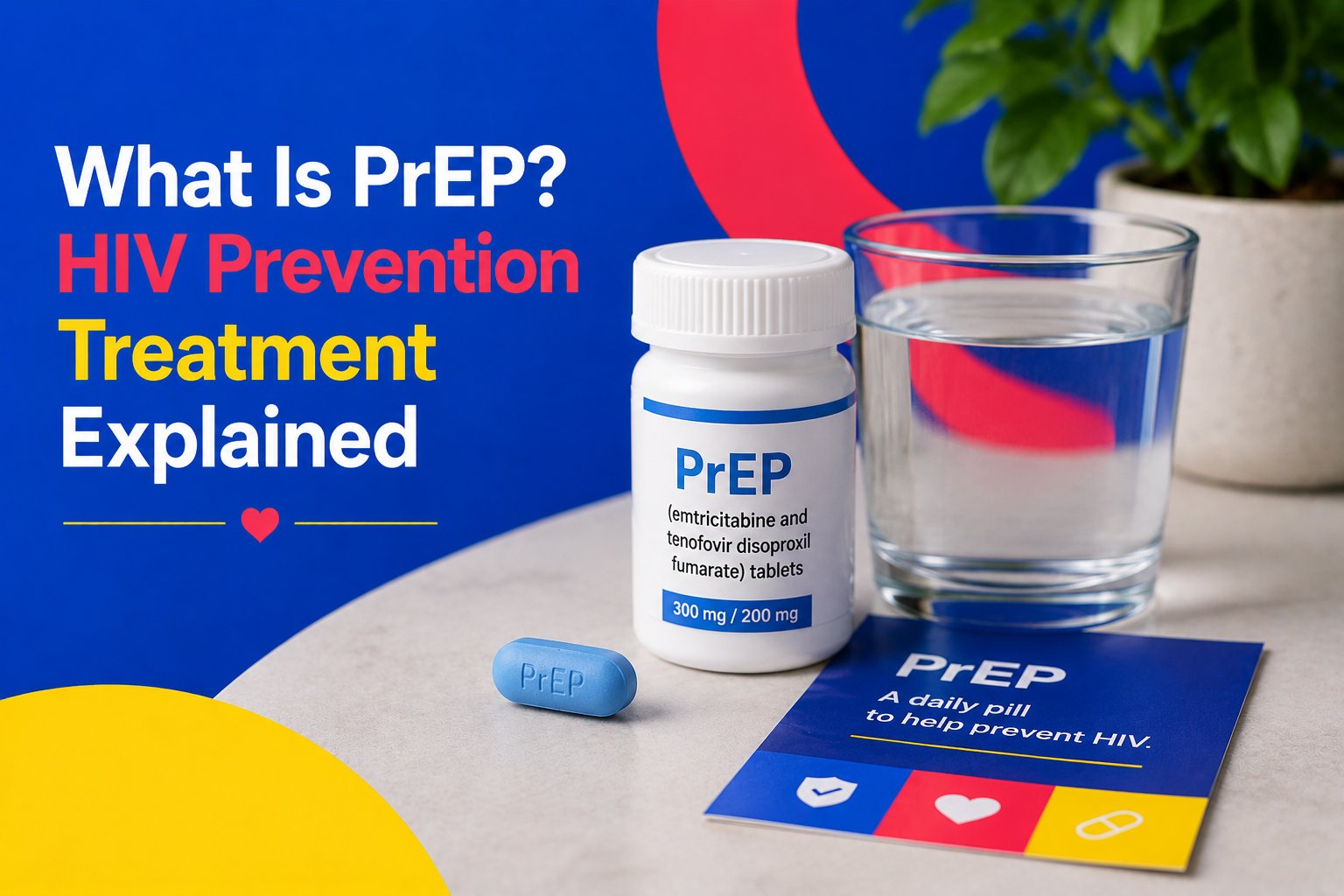
Understanding HIV Prevention and PrEP
PrEP, short for Pre-Exposure Prophylaxis, is a medication used to help prevent HIV infection before exposure occurs.
PrEP is one of the most effective HIV prevention strategies currently available and has become an important part of modern preventative sexual healthcare.
Many individuals searching for HIV prevention services(opens in a new tab) want to better understand how PrEP works, who should consider it, and how it fits into long-term sexual wellness planning.
PrEP is commonly used alongside routine STI testing(opens in a new tab), safer sex practices, and ongoing HIV screenings to reduce HIV transmission risk.
According to the U.S. Department of Health & Human Services(opens in a new tab), PrEP has become a major tool in reducing new HIV infections across the United States.
What Is PrEP?
PrEP is a prescription medication taken by HIV-negative individuals to help prevent HIV infection.
The medication works by stopping HIV from establishing an infection inside the body if exposure occurs.
PrEP medications are most commonly recommended for individuals who may have increased HIV exposure risk through sexual activity or injection drug use.
Patients exploring long-term HIV care and prevention strategies(opens in a new tab) often learn about how preventative medications reduce HIV transmission within broader public health efforts.
PrEP is not a vaccine and does not cure HIV. Instead, it functions as a preventative medication that must be taken consistently to maintain effectiveness.
How Does PrEP Work?
PrEP works by maintaining medication levels inside the bloodstream that help block HIV from replicating after exposure.
If HIV enters the body, the medication can prevent the virus from establishing a permanent infection.
According to the Centers for Disease Control and Prevention (CDC)(opens in a new tab), PrEP is highly effective when taken consistently as prescribed.
PrEP may be prescribed as:
daily oral medication
injectable long-acting medication
alternative dosing schedules in some cases
Patients interested in injectable HIV prevention options may also explore broader HIV treatment and prevention services(opens in a new tab) to better understand medication management and long-term care planning.
Who Should Consider Taking PrEP?
PrEP may be appropriate for individuals who want to reduce their risk of HIV infection.
People who may consider PrEP include:
individuals with HIV-positive partners
people with multiple sexual partners
individuals who do not consistently use condoms
people diagnosed with sexually transmitted infections
individuals who inject drugs
Many individuals receiving gender-affirming healthcare services(opens in a new tab) or LGBTQ-focused preventative care may also discuss HIV prevention strategies as part of comprehensive wellness planning.
Routine sexual healthcare discussions often include both HIV prevention and STI testing education(opens in a new tab) to support long-term health and early detection.
PrEP vs PEP: What’s the Difference?
PrEP and PEP are both medications used to help prevent HIV, but they are used in different situations.
PrEP
PrEP is taken before potential HIV exposure occurs and is designed for ongoing prevention.
PEP
PEP, or Post-Exposure Prophylaxis, is an emergency medication started after a potential HIV exposure.
PEP must generally be started within 72 hours of exposure to be effective.
Individuals seeking emergency HIV prevention may also require immediate sexual health testing services(opens in a new tab) and follow-up HIV screening.
Why Regular HIV and STI Testing Matter While Taking PrEP
Routine HIV testing remains an important part of PrEP treatment and sexual healthcare.
Regular testing helps ensure that HIV remains undetected and allows providers to monitor overall health and medication safety.
Individuals taking PrEP are commonly encouraged to continue:
routine HIV testing
regular STI screenings
kidney function monitoring
preventative healthcare evaluations
Patients often combine PrEP care with ongoing mental health support services(opens in a new tab) and LGBTQ-focused wellness programs designed to support long-term health.
Can PrEP Prevent Other STIs?
PrEP is highly effective at reducing HIV risk, but it does not prevent other sexually transmitted infections.
Because of this, condoms and routine sexual health screenings remain important.
According to the World Health Organization (WHO)(opens in a new tab), sexually transmitted infections remain a major global public health concern.
Many individuals using PrEP also schedule regular STI testing appointments(opens in a new tab) for conditions such as gonorrhea, chlamydia, syphilis, and hepatitis.
What Happens During a PrEP Appointment?
A PrEP appointment typically includes HIV testing, health screenings, medication discussions, and preventative healthcare planning.
During a consultation, providers may:
review sexual health history
perform HIV testing
discuss medication options
review possible side effects
create a follow-up testing plan
Individuals beginning HIV prevention services may also discuss broader healthcare needs including gender-affirming care(opens in a new tab), preventative screenings, and mental health support.
Are There Side Effects From PrEP?
Most individuals tolerate PrEP well, although some people may experience mild side effects when starting treatment.
Possible side effects can include:
nausea
fatigue
headaches
digestive discomfort
These symptoms are often temporary and improve as the body adjusts to the medication.
Providers monitor patients regularly to ensure medications remain safe and effective over time.
Why Trust Central Outreach Wellness Center for HIV Prevention?
Central Outreach Wellness Center provides culturally humble HIV prevention, sexual healthcare, and LGBTQ-focused medical services throughout Pennsylvania and Ohio.
Our providers work closely with patients to create personalized prevention plans that support long-term health, safety, and wellness.
We offer confidential HIV testing, PrEP management, STI testing, and preventative healthcare services in welcoming environments designed to reduce barriers to care.
Our team also supports individuals receiving gender-affirming healthcare services(opens in a new tab), recognizing that preventative healthcare and inclusive medical support are closely connected.
By combining preventative medicine, education, testing, and ongoing support, Central Outreach helps patients access evidence-based HIV prevention services with dignity and respect.
Schedule an HIV Prevention Consultation Today
PrEP is one of the most effective tools available for reducing HIV risk and supporting long-term sexual wellness.
Understanding how HIV prevention medications work can help individuals make informed decisions about their health and preventative care options.
Central Outreach Wellness Center provides confidential HIV prevention services, PrEP treatment, STI testing, and LGBTQ-focused healthcare throughout Pennsylvania and Ohio. Schedule an appointment today(opens in a new tab) to learn more about PrEP and HIV prevention options.
Request an Appointment(opens in a new tab)
Frequently Asked Questions
How effective is PrEP at preventing HIV?
When taken consistently as prescribed, PrEP reduces the risk of HIV transmission from sex by about 99%.
Do I still need HIV testing while taking PrEP?
Yes. Regular HIV testing is an important part of ongoing PrEP treatment and preventative healthcare monitoring.
What is the difference between PrEP and PEP?
PrEP is taken before HIV exposure for prevention, while PEP is emergency medication started after a potential HIV exposure.
Can PrEP prevent sexually transmitted infections?
PrEP helps prevent HIV but does not protect against other sexually transmitted infections. Routine STI testing and condoms remain important.
Who should consider taking PrEP?
PrEP may benefit individuals at increased risk for HIV exposure, including people with HIV-positive partners or individuals seeking additional sexual health protection.
{'@context':'https://schema.org','@type':'FAQPage','mainEntity':[{'@type':'Question','name':'How effective is PrEP at preventing HIV?','acceptedAnswer':{'@type':'Answer','text':'When taken consistently as prescribed, PrEP reduces the risk of HIV transmission from sex by about 99%.'}},{'@type':'Question','name':'Do I still need HIV testing while taking PrEP?','acceptedAnswer':{'@type':'Answer','text':'Yes. Regular HIV testing is an important part of ongoing PrEP treatment and preventative healthcare monitoring.'}},{'@type':'Question','name':'What is the difference between PrEP and PEP?','acceptedAnswer':{'@type':'Answer','text':'PrEP is taken before HIV exposure for prevention, while PEP is emergency medication started after a potential HIV exposure.'}},{'@type':'Question','name':'Can PrEP prevent sexually transmitted infections?','acceptedAnswer':{'@type':'Answer','text':'PrEP helps prevent HIV but does not protect against other sexually transmitted infections. Routine STI testing and condoms remain important.'}},{'@type':'Question','name':'Who should consider taking PrEP?','acceptedAnswer':{'@type':'Answer','text':'PrEP may benefit individuals at increased risk for HIV exposure, including people with HIV-positive partners or individuals seeking additional sexual health protection.'}}]}
